
TL;DR
- Many client referrals, partnerships, and career opportunities in accounting come from professional relationships, not cold outreach or job applications.
- Networking builds social capital, giving accountants access to referrals, insights, and opportunities that are not publicly advertised.
- Both in-person networking (events, associations, conferences) and online networking (especially LinkedIn) play a role in long-term professional growth.
- Effective networking focuses on value, trust, and consistency, rather than transactional or sales-driven interactions.
- Weak ties (former colleagues, indirect contacts, cross-industry relationships) often lead to new opportunities more than close contacts alone.
- Ongoing habits such as follow-ups, active listening, and regular engagement are more impactful than one-off networking efforts.
- Networking is a long-term career investment that supports client acquisition, reputation building, and professional advancement.
If you work in the accounting industry, you already know that technical skills are essential, but they are only part of what drives long-term success. Many roles, client engagements, and collaborations are secured through trusted referrals, making networking a critical factor in career growth. By building professional relationships with peers, referral partners, and potential clients, accountants gain access to insights and opportunities that rarely appear through formal channels alone.
This guide provides a practical approach to networking for accountants. It explains how to build professional relationships that are mutually beneficial, ethical, and sustainable, without relying on forced or sales-driven tactics. You will learn how to use both in-person networking opportunities and online platforms such as LinkedIn to stay visible, strengthen professional credibility, and engage meaningfully with others in the industry.
Networking also extends beyond the first interaction. Consistent follow-up, sharing relevant resources, and practicing active listening are simple habits that help build trust over time. Whether you are an accounting student, part of a growing firm, or an experienced CPA, this guide shows how strategic networking can support professional development and long-term career success.
Why Networking Works: Theory & Evidence (Especially for Professionals)
Networking works because it builds social capital, professional relationships that provide access to information, referrals, opportunities, and trust. In regulated, trust-based professions such as accounting, networking supports career growth by increasing visibility and credibility over time.
Understanding why networking works helps accountants focus on actions that deliver long-term value rather than short-term exposure.
The Social Capital Advantage
Social capital is the value created through professional relationships. It gives accountants access to advice, referrals, industry insight, and career opportunities that are rarely available through formal applications alone.
Research consistently shows that most professional roles are filled through personal connections rather than cold applications. For accounting professionals, this means networking directly influences:
- Client referrals
- Advisory opportunities
- Career progression
- Access to industry information
Social capital grows through consistent relationship maintenance, including follow-ups, ongoing communication, and genuine interest in others’ work. Over time, trust increases the likelihood of referrals and professional recommendations.
The Hidden Power of Weak Ties & Diverse Networks
Strong professional relationships provide support and mentorship, but they often offer limited new information. Research by sociologist Mark Granovetter shows that weak ties, such as former colleagues, peers from events, or online connections, are more likely to introduce new opportunities.
In accounting, many client leads, referral partners, and career opportunities originate outside immediate teams. Weak ties expand reach, while diverse networks connect accountants with professionals in law, banking, finance, and business advisory roles.
Quick comparison of network types:
| Type of Connection | What You Get | Why It Matters |
| Strong ties (close colleagues, mentors) | Support, guidance | Helps with skill growth and internal opportunities |
| Weak ties (past coworkers, LinkedIn contacts, peers from events) | New leads, referrals, industry insights | Often the source of new clients and job openings |
| Diverse ties (lawyers, bankers, advisors, local businesses) | Broader reach and cross-industry opportunities | Expands your referral network and supports business growth |
Digital Networking: The Modern Reality
Online networking is a core professional tool for accountants. Digital platforms allow professionals to maintain visibility and relationships even during busy seasons.
The effectiveness of online networking forr accountants depends on consistent, meaningful engagement, not the number of contacts. A strong professional profile, regular interaction, and participation in industry discussions strengthen credibility and trust.
Digital networking supports professional development through:
- Membership in professional groups (e.g., AICPA, CPA Canada)
- Engagement with industry leaders and peers
- Participation in discussions on industry updates and regulatory changes
- Sharing resources or offering practical insights
Small, regular actions build trust over time. Trust is the factor that turns professional contacts into a durable network that supports long-term career advancement.
Common Beliefs Among Accountants & Finance Professionals And Where They Fall Short
Many accountants hesitate to network because of assumptions that sound reasonable but limit long-term career growth. The beliefs below are common in the profession, and often incorrect.
1. Networking Is Only for Extroverts or Salespeople
Networking does not require being outgoing or promotional. In accounting, strong relationships are often built through one-on-one conversations, consistent follow-ups, and careful listening. Research cited by Harvard Business Review shows that introverts frequently form deeper, more durable professional relationships because they listen closely and engage thoughtfully.
For accountants, listening for ways to support others, rather than self-promotion, is more likely to lead to referrals, mentorship, and long-term client relationships.
2. Networking Only Happens at Events and Mixers
Conferences and mixers can be useful, but they represent only a small part of professional networking. Most networking occurs through everyday interactions at work, within firms, inside professional groups, and through ongoing online engagement.
Platforms such as LinkedIn and industry forums allow accountants to participate in discussions, follow industry leaders, and maintain visibility without attending frequent events. For many professionals, online networking is a practical and effective alternative to in-person networking.
3. If I Have Strong Credentials and Work Hard, Networking Doesn’t Matter
Technical qualifications are essential, but they do not operate in isolation. Research consistently shows that the majority of job opportunities and client engagements arise through professional networks rather than public postings.
Maintaining relationships, following up after conversations, and staying visible positions accountants for opportunities that are not widely advertised. Networking also provides early insight into industry changes, regulatory shifts, and emerging opportunities.
4. Online Networking Doesn’t Work, Only In-Person Relationships Count
In-person relationships remain valuable, but online networking plays a critical supporting role. LinkedIn enables accountants to share insights, engage with peers, and stay connected with minimal time investment.
Studies show that regular online engagement increases professional visibility and credibility. Online networking does not replace face-to-face relationships; it sustains them and extends their reach when time and schedules are constrained.
Real Constraints for Accountants, Auditors & Finance/Legal Professionals And How to Navigate Them
Accountants, auditors, and finance or legal professionals operate under long hours, strict compliance rules, and high expectations for accuracy. These realities often make traditional networking feel impractical or uncomfortable. However, effective networking is still possible by using approaches that respect time limits, ethical standards, and personal working styles.
Workload Cycles, Busy Seasons & Tight Deadlines
Peak periods such as tax season, audits, and year-end reporting leave little time for events or conferences.
How to navigate it:
- Prioritise low-effort networking, such as engaging on LinkedIn, replying to posts, or sending brief follow-up messages.
- Use online platforms to stay visible through small actions like commenting on industry updates or sharing relevant articles.
- Follow up after meetings or events with short, personalised messages to maintain relationships.
- Treat networking as an ongoing habit rather than an occasional activity.
Consistent, minimal effort helps maintain a strong professional network even during demanding periods.
Ethics, Compliance & Confidentiality Concerns
Many professionals worry that networking may feel like selling or risk breaching confidentiality. In regulated professions, this concern is valid.
How to navigate it:
- Focus on relationship-building rather than promotion.
- Share general insights on industry trends, deadlines, or challenges without referencing client-specific information.
- Build trust through clear communication, consistency, and a value-first mindset.
- Engage in structured environments such as professional associations, committees, or working groups.
Ethical, value-driven networking strengthens credibility without compromising compliance.
Personality or Cultural Discomfort
Many accounting professionals prefer structured, analytical work and may find large networking events uncomfortable.
How to navigate it:
- Choose formats that suit your style, such as one-on-one conversations, small groups, or virtual meetings.
Use online platforms to connect at a comfortable pace.
- Rely on listening and thoughtful questions rather than self-promotion.
- Focus on building a small number of meaningful connections.
Effective networking prioritises quality and authenticity over volume.
Skepticism About Return on Investment (ROI)
Some professionals question whether networking adds value in credential-driven career paths.
How to navigate it:
- Recognise that many roles, referrals, and partnerships are shared through personal networks.
- Use your network to stay informed about regulatory changes, tools, and industry developments.
- View networking as long-term career capital rather than a short-term tactic.
Over time, professional relationships compound into opportunities, insight, and career resilience.
Where Accountants & Finance Pros Should Network: Channels & Communities That Work
To build a strong and robust professional network, you need to spend time in places where real conversations happen. The good news is that the accounting field gives you plenty of options. You don’t need to attend every event or join every group. Instead, choose the networking opportunities that match your goals, personality, and schedule.
Each of the channels below helps you form meaningful relationships, stay updated on industry news, and meet people who can support your long-term career advancement.
Internal Networks (Within Your Firm or Organization)
Your workplace is one of the most powerful networking spaces you have. Many accounting professionals forget that strong professional relationships often start inside their own firm.
Ways to grow your internal network:
- Connect with colleagues in different departments.
- Join firm committees or operational networking groups.
- Take part in team projects where you can show your unique value proposition.
- Ask seniors for mentorship or career guidance.
- Practice good listening skills during conversations to build trust.
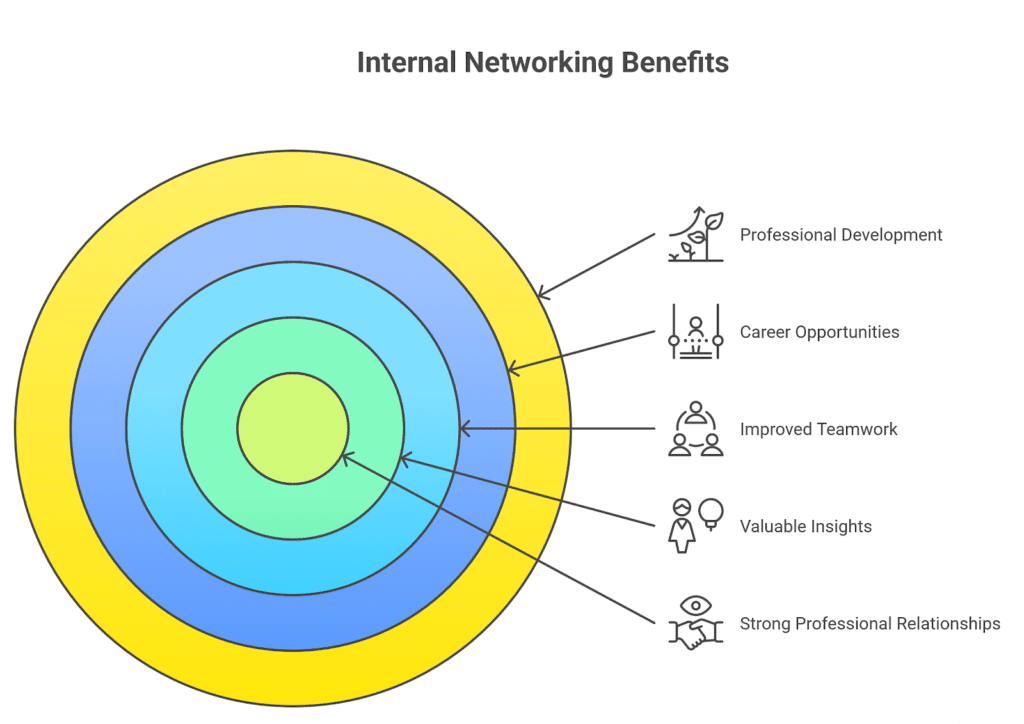
Internal networking helps you gain valuable insights, improve teamwork, and open doors to internal promotions or new roles. It also strengthens the professional development of accounting students, new hires, and experienced staff.
Industry-Specific Professional Associations, Events & Groups
Professional associations are one of the best ways to connect with other accounting professionals and industry leaders. Groups like the American Institute of Certified Public Accountants (AICPA), CPA Canada, and other national associations host frequent networking events that support career growth.
Common networking events for accountants include:
- Industry seminars and workshops
- Continuing education events
- Job fairs and mentoring fairs
- Social mixers
- Industry conferences
- Community service events offering free tax services
Why these groups matter:
- You meet people who understand the accounting industry and its challenges.
- You stay updated on regulations, new technologies, and market trends.
- Joining committees or working groups leads to deeper, long-term authentic relationships.
- Many career opportunities arise from these associations before they appear anywhere else.
Networking within these professional groups is a key strategy for expanding your reach and building meaningful connections that support your long-term career path.
Cross-Industry & Cross-Function Networks (Accountants — Lawyers — Bankers — Advisors)
Some of the strongest mutually beneficial relationships come from outside the accounting field. Many new clients and referral partners come from industries that work closely with accounting firms.
Examples of valuable cross-industry connections:
- Lawyers
- Bankers and lenders
- Corporate finance teams
- M&A advisors
- Financial planners
- Payroll providers
- Local business owners
- Other professionals in related fields
These connections help you understand wider business challenges and create a steady flow of referral partners. When you offer helpful advice, listen closely, and show genuine interest, people see you as a trusted resource, which often leads to new clients, collaborations, and long-term partnerships.
Online & Digital Networking Channels
Online networking is now just as important as in-person events, especially for busy accounting professionals. Digital platforms let you regularly engage with others, share insights, and grow your network even on hectic days.
Best online networking platforms for accountants:
- LinkedIn (a must-have for your professional LinkedIn profile)
- Facebook groups
- Social networking sites for accounting students
- Online forums for audit, tax, and corporate finance
- Virtual conferences and webinars
- Online platforms for professional groups and industry discussions
Why online networking works:
- You stay visible year-round, even during busy seasons.
- You can join conversations, comment on posts, or share accounting services and industry updates with minimal time.
- You reach potential clients outside your local community.
- You strengthen your personal brand by sharing valuable insights and engaging in online discussions.
- It helps you maintain existing connections and build new ones without travel or formal events.
Online networking also supports your personal development by connecting you with industry leaders, mentors, and peers who can help you grow.
Quick Comparison of Networking Channels
| Networking Channel | Best For | Why It Works |
| Internal networks | Career growth, mentorship | Helps you build trust, improve teamwork, and access new roles inside your firm |
| Professional associations (AICPA, CPA Canada) | Meeting peers, learning, credibility | Connects you with industry groups, experts, and new opportunities |
| Cross-industry networks | Referrals, collaborations | Expands your influence beyond accounting and brings in potential clients |
| Online platforms (LinkedIn, Twitter) | Visibility, flexible networking | Keeps you active in your professional world even during busy times |
A Strategic Networking Playbook: Adaptable, Realistic, Value-First
Networking doesn’t work when you treat it like a quick task. It works when you follow simple habits that help you build meaningful relationships, stay visible, and support other professionals with genuine interest. This playbook gives you flexible networking strategies you can use whether you’re at a firm, running your own practice, or studying to join the accounting profession. Every step focuses on building mutually beneficial relationships that support long-term career advancement.
Network Audit & Goal Clarification
Before expanding your professional network, take a moment to understand what you already have. A network audit helps you see your existing connections, identify gaps, and set clear goals that match your career path.
How to do this:
- List contacts in your firm, industry groups, online platforms, and local community.
- Note which connections support your professional development or personal growth.
- Set goals such as finding a mentor, meeting potential clients, or joining industry discussions.
- Make sure your goals support your unique value proposition and your firm’s vision.
Clear goals keep your networking efforts focused and ensure every interaction moves you forward.
Diversified Expansion: Reach Out to Weak Ties & Bridges
Strong networks are built on variety. This means staying connected with familiar contacts and reaching out to “weak ties”, people you don’t speak to often but who can bring new opportunities. Research shows that weak ties often lead to job leads, new clients, and real-time industry insights.
How to expand your network:
- Contact old classmates, past coworkers, or peers from previous networking events.
- Connect with other professionals like lawyers, bankers, and financial advisors.
- Join new industry groups, professional associations, or online forums in the accounting field.
- Share helpful resources, answer questions, or invite others to industry events.
When you show genuine interest and focus on building authentic relationships, these contacts often become referral partners or valuable long-term allies.
Regular, Low-Friction Engagement Over Time
Networking grows through consistent, small actions, not occasional big moments. Even during busy seasons, you can maintain strong professional relationships without adding stress.
Simple ways to stay engaged:
- Comment on posts on LinkedIn and other social networking sites.
- Share industry news or valuable insights that help others.
- Follow up after networking events with a short, personalized message.
- Send a quick note to check in on someone’s work or recent project.
- Offer help or guidance when you notice someone could use support.
This steady engagement keeps your network active and builds trust, which is essential for long-term networking success.
Use Both Online and Offline Channels Strategically
The strongest networks use a mix of online platforms and in-person experiences. Online networking gives you reach and flexibility, while offline events create deeper, more personal connections.
Online channels help you:
- Build a strong, professional LinkedIn profile that highlights your skills and accomplishments.
- Regularly engage through online discussions and social media platforms.
- Stay present in your professional world even when your schedule is full.
Offline channels help you:
- Attend networking events like seminars, job fairs, and community service events.
- Meet potential clients and referral partners face-to-face.
- Join local events or accounting conferences where you can practice good listening skills and build trust.
Using both types of networking opportunities gives you the best chance to build genuine connections.
Ethics-First, Reputation-Focused Mindset
In the accounting industry, your reputation is one of your most valuable assets. Your networking efforts should reflect professionalism, honesty, and respect for confidentiality.
Keep this mindset:
- Offer advice and assistance without expecting anything in return.
- Protect client information and avoid discussing confidential details.
- Focus on communication that builds trust and long-term respect.
- Remember that networking success comes from helping others, not pushing for business.
When you stay ethical and consistent, you build meaningful relationships that last.
Long-Term Vision: Treat Networking as Career Capital
Networking is not a fast path to results. It is a long-term investment that shapes your career growth, client base, and professional identity. Many accountants find that their biggest opportunities, new clients, partnerships, or job roles, come from relationships they’ve built slowly over time.
Your long-term networking vision should include:
- Continuous learning and personal networking.
- Building relationships that lead to referrals, collaborations, and client retention.
- Staying engaged in industry groups and cross-industry communities.
- Practicing effective networking strategies even when results take time.
Over time, your network becomes a reliable source of opportunities, mentorship, support, and real-time insights, making it one of the most powerful tools in your professional world.
What to Expect: Realistic Outcomes & Limitations of Networking
Networking helps you grow your career, but it doesn’t produce results overnight. In the accounting profession, strong professional relationships develop slowly through consistency, trust, and good listening skills. Most referrals, collaborations, and new client relationships come from people you’ve stayed in touch with over time. Simple actions like following up after networking events, sharing helpful insights, and staying active on online networking platforms make a bigger impact than trying to meet as many people as possible.
Online networking is now just as important as showing up at in-person events. Keeping a strong professional LinkedIn profile, engaging in online discussions, and regularly posting or commenting helps you stay visible to other accounting professionals and potential clients. Not every connection will lead to a clear opportunity, and that’s normal. The goal is to build meaningful relationships, offer value when you can, and focus on quality over quantity.
Networking also keeps you informed about industry news, changes in regulations, and new tools in the accounting industry. These insights make you more effective in your work and more valuable to clients, colleagues, and your accounting firm. Over time, your professional network becomes a reliable source of support and long-term opportunities, such as:
- Referrals from other professionals
- New client relationships
- Career opportunities shared through personal networking
- Mentorship and professional development support
Frequently Asked Questions
How Important is Networking For Accounting?
Networking is extremely important in the accounting industry because many client referrals, job opportunities, and collaborations come through trusted professional relationships. A strong network helps accountants stay informed about industry changes, build credibility, and create long-term career growth.
How Do Accountants Network Effectively?
Accountants network effectively by building genuine relationships, staying active on platforms like LinkedIn, joining professional groups such as AICPA, and attending industry events. Simple habits, like following up after meetings, offering helpful insights, and practicing good listening skills, help strengthen long-term connections.
Why is Networking Important in Accounting?
Networking is important in accounting because it supports business growth, helps you connect with potential clients, and gives you access to real-time industry insights. Strong professional relationships lead to referrals, mentorship, and new opportunities that can significantly advance your accounting career.
Conclusion & Final Thoughts
Networking is not an extra task in your professional world, it’s a core skill that supports your long-term success in the accounting industry. When you focus on building meaningful relationships, listening well, and offering value, you create a strong foundation for career advancement, new clients, and lasting professional growth. Networking works best when you show genuine interest, protect client trust, and stay consistent in both your online networking efforts and in-person interactions.
As you move forward, think of networking as building career capital. Simple steps like updating your professional LinkedIn profile, reconnecting with an existing contact, joining a local event, or participating in online discussions can strengthen your professional network over time. These small actions help you create authentic, mutually beneficial relationships that support your goals, whether you’re an accounting student, part of a growing accounting firm, or an experienced professional.
You don’t need to take on everything at once, even one conversation, one event, or one meaningful follow-up can move you forward. And if you want support building a stronger online presence that helps your network work harder for you, explore how Ventnor’s digital solutions can help your accounting practice stand out and connect with the right people. Visit Ventnor Web Agency to take the next step toward a smarter, more connected firm.